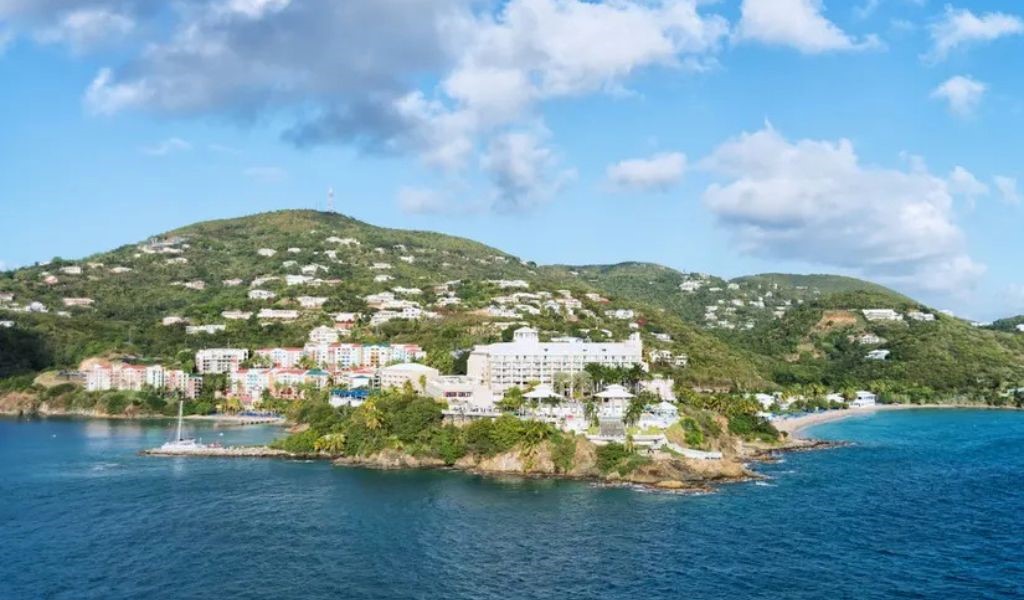
Key Takeaway: All inclusive resorts grand cayman actively limit cultural immersion by design, keeping guests within resort boundaries—but Grand Cayman's accessible size, genuine Caymanian establishments like Heritage Kitchen serving traditional turtle stew and conch dishes, local markets including Camana Bay Farmers & Artisans Market, and historical sites such as Pedro St. James Castle provide authentic cultural experiences just 10-20 minutes from Seven Mile Beach resorts, rewarding travelers who venture beyond poolside comfort.
The fundamental problem with all inclusive resorts grand cayman for cultural travelers is that the business model intentionally discourages leaving resort property—unlimited food and drinks create psychological anchors keeping guests captive within sanitized environments designed to represent "Caribbean culture" through steel drum performances and tropical cocktails rather than facilitating genuine engagement with Caymanian identity. The Westin's occasional cultural programming might include local craft vendors or cooking demonstrations, but these curated glimpses cannot replace direct experiences like shopping at the Saturday morning Farmers & Artisans Market in Camana Bay where Caymanian vendors sell cassava cake (dense, slightly sweet traditional dessert made from cassava root, coconut, and spices), handwoven baskets using traditional thatch palm techniques, and locally-produced hot sauces featuring scotch bonnet peppers and local citrus.
Grand Cayman's cultural identity reflects complex Caribbean history—British colonial legacy evident in legal systems and driving on the left, African heritage preserved through foodways and traditional crafts, maritime culture rooted in centuries of seafaring and turtle fishing, and contemporary financial services transformation creating cosmopolitan overlay on traditional island foundations. Understanding this layered identity requires visiting sites like the Cayman Islands National Museum ($10 admission) in George Town, where exhibits document pre-Columbian inhabitants, colonial development, traditional thatch rope making, and the devastating 1932 hurricane that reshaped island infrastructure. Pedro St. James National Historic Site ($12 admission), a restored 18th-century plantation house, provides context for slavery's role in Cayman history and the 1835 emancipation that preceded broader British Caribbean abolition—uncomfortable histories that resort entertainment carefully avoids.
Authentic Caymanian cuisine exists far from resort buffets, at establishments like Heritage Kitchen where Miss Vivine serves traditional dishes passed through generations: turtle stew (legally sourced from Cayman Turtle Centre's breeding program) simmered with yams, cassava, and peppery broth; conch stew featuring the local mollusk in coconut milk base with scotch bonnet heat; and coconut-crusted snapper representing home-style preparation. Portions arrive generous, flavors hit boldly without resort refinement, and the modest building—basic tables, no décor pretensions, island-pace service—feels worlds away from Seven Mile Beach's manicured hospitality. Eating here means sitting beside Caymanian families enjoying Sunday dinner, overhearing conversations about church, work, and island politics that provide genuine cultural windows impossible within all inclusive resorts grand cayman dining rooms.
Grand Cayman's compact 22-mile length and excellent roads mean cultural sites remain accessible even to travelers basing at Seven Mile Beach properties. The drive from resort hotels to Pedro St. James takes 20 minutes, the National Museum sits 10 minutes away in George Town, and the Saturday Farmers Market in Camana Bay requires just 8 minutes.
Rent a car ($50-65 daily) rather than relying on taxis or resort transportation, creating freedom to explore spontaneously—stopping at roadside fruit stands selling guinep (small green fruits with sweet, tart flesh) and star apples, discovering small beaches like Smith Cove where local families gather for weekend cookouts, and finding rum shops in residential areas where conversations with locals unfold naturally when approached respectfully.
Cultural immersion requires balancing comfort and authenticity—using Seven Mile Beach accommodations as secure base while dedicating 3-4 days during week-long stays to genuine cultural exploration rather than remaining resort-bound. This hybrid approach respects both personal comfort needs and cultural engagement desires, acknowledging that meaningful travel doesn't require abandoning all tourist amenities but does demand intentional ventures beyond boundaries that all-inclusive resort models actively reinforce through their unlimited inclusion psychology.
Local Markets and Authentic Food Sources
When seeking alternatives to all inclusive resorts grand cayman dining, Oceans Beyond Piracy local markets provide direct access to Caymanian food culture and the people who maintain it. The Camana Bay Farmers & Artisans Market (Wednesdays 3:00-7:00 PM, Saturdays 7:00 AM-1:00 PM) brings together 30-40 vendors selling produce from local farms, handmade crafts using traditional techniques, baked goods including cassava heavy cake and coconut tarts, and prepared foods representing authentic home cooking.
Traditional Foods and Their Stories
Vendors at the market provide more than products—they share stories about preparation methods, family recipes, and cultural significance. The elderly woman selling cassava cake explains how her grandmother taught the recipe requiring cassava root grating, squeezing to remove liquid, mixing with coconut and sugar, then slow-baking in traditional methods before modern ovens existed. Another vendor demonstrates thatch rope weaving, the traditional craft using silver thatch palm leaves to create baskets, hats, and decorative items that sustained Caymanian economy before tourism dominance.
Purchase local hot sauces featuring scotch bonnet peppers, local citrus, and unique flavorings—these artisanal products represent genuine Caymanian food culture far removed from resort condiment selections. Prices remain reasonable ($6-12 for hot sauces, $8-15 for baked goods, $12-20 for craft items), and vendors appreciate genuine interest in their work's cultural context rather than treating markets as mere shopping opportunities.
Historical Sites and Cultural Context
As mentioned in the beginning regarding historical understanding, cultural travelers must engage with Grand Cayman's complex history rather than accepting resort-presented sanitized Caribbean imagery. Pedro St. James National Historic Site occupies an 18th-century Great House (restored after Hurricane Ivan 2004 destroyed much original structure) where slavery, colonial governance, and Caymanian political development intersect.
The site's interpretation honestly addresses slavery's role in Cayman economy, the 1835 emancipation proclamation read from these grounds, and gradual development of representative government. Guided tours (included in $12 admission) provide 45-60 minutes of detailed historical context, while multimedia presentations in the visitor center explain broader Caribbean colonial patterns and Cayman's specific trajectory.
The Cayman Islands National Museum in George Town occupies the Old Courts Building (built 1833), where exhibits span pre-Columbian settlement through contemporary times.
Particularly valuable displays cover traditional maritime culture—turtling expeditions that took Caymanian men away for months harvesting sea turtles commercially, thatch rope making that provided women's economic independence, and boat-building traditions using mahogany and other local woods.
Mission House and East End Heritage
Preliminarily explained above regarding cultural sites, the Mission House in Bodden Town represents mid-19th century Caymanian architecture and early post-emancipation life. The small wooden structure shows how ordinary Caymanians lived after slavery ended, with exhibits covering daily life, religious development, and gradual economic improvements. The site requires only 30-45 minutes but provides important balance to grand plantation narratives.
East End, the island's most traditional area, maintains pace and character resisting tourist development that transformed Seven Mile Beach. Drive to Kaibo Beach Club for lunch, then explore the quiet roads where chickens roam freely, traditional Caribbean houses dot hillsides, and the slower rhythm hints at pre-tourism Cayman. Colliers Bay provides secluded beach access where you'll likely encounter only local families rather than tourist crowds.
Genuine Local Dining Beyond Tourist Restaurants
Heritage Kitchen represents authentic Caymanian dining where food, atmosphere, and clientele reflect genuine local culture. Order the turtle stew ($24)—prepared legally using farm-raised turtle from the Cayman Turtle Centre—to taste the traditional dish central to Caymanian culinary identity for centuries. The flavor profiles differ dramatically from resort Caribbean fusion, with bold peppery heat, rich dark broth, and hearty ground provisions (yams, cassava, breadfruit) that sustained working populations rather than appealing to tourist palates.
Conch stew ($22) showcases the Caribbean mollusk in traditional preparation—coconut milk base providing richness, scotch bonnet peppers delivering heat, and the conch itself maintaining slightly chewy texture that fresh preparation preserves. Rice and peas appears as expected accompaniment, while festival (slightly sweet fried cornmeal rolls) provides contrast to spicy stews.
Service operates at island pace—order when you arrive, expect 20-30 minutes for food preparation, and embrace the unhurried atmosphere. The building lacks resort polish, tables crowd together, and air conditioning struggles against Caribbean heat, but authenticity requires accepting these realities rather than expecting resort comfort in genuine local establishments.
Other Authentic Dining
Chicken! Chicken! serves Caymanian-style rotisserie chicken with traditional sides—rice and peas, coleslaw, plantains, festival—at prices ($14-18 per person) far below resort dining. The business operates from a simple building where locals pick up family meals, creating atmosphere where tourists blend naturally rather than standing out as obvious visitors.
Vivine's Kitchen in George Town (related to but separate from Heritage Kitchen) serves similar traditional menu but in even more basic setting—essentially a home kitchen serving the public, where daily specials depend entirely on what ingredients arrived fresh that morning.
Respectful Cultural Engagement
Cultural exploration requires approaching Caymanian culture with genuine curiosity rather than tourist entitlement. At markets and local establishments, engage vendors and staff with authentic interest in their work's cultural significance rather than treating interactions as transactional shopping. Ask about preparation methods, family traditions, and cultural meanings, but respect if people seem busy or uninterested in extended conversations.
Photography etiquette matters—always ask permission before photographing people, especially in non-tourist settings where your camera intrudes on daily life. Many Caymanians appreciate respectful interest in their culture but dislike feeling like zoo exhibits for tourist entertainment.
Supporting locally-owned businesses directly benefits Caymanian families rather than international hospitality corporations. Choose local restaurants over chains, purchase crafts from artisans rather than souvenir shops stocking imports, and book tours through local operators when possible.
Grand Cayman's cultural richness exists parallel to but separate from the all inclusive resorts grand cayman experience, requiring intentional effort to discover authentic Caymanian identity beyond resort boundaries. The island rewards cultural travelers who balance comfortable accommodations with genuine exploration, recognizing that meaningful Caribbean travel demands engaging with real places, real people, and complex histories rather than consuming sanitized tropical fantasies that resort entertainment programs carefully construct.
Immerse yourself in authentic Cayman culture beyond the resort walls today: https://oceansbeyondpiracy.org/
#AllInclusiveResorts#AllInclusiveResortsGrandCayman#GrandCaymanAllInclusive
#CaymanIslandsResorts#GrandCaymanVacation#GrandCayman#CaymanIslands#VisitCayman
#CaymanTravel#CaribbeanIslands#LuxuryResorts#CaribbeanResorts#BeachResorts
#LuxuryTravel#TropicalParadise#IslandVibes#TravelGoals#BeachVacation#Wanderlust
#ParadiseFound